How the two designs differ
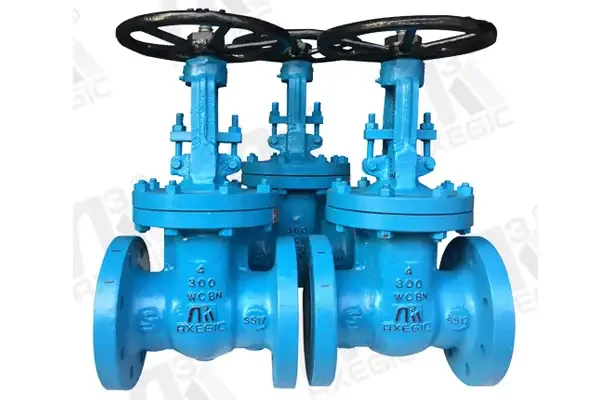
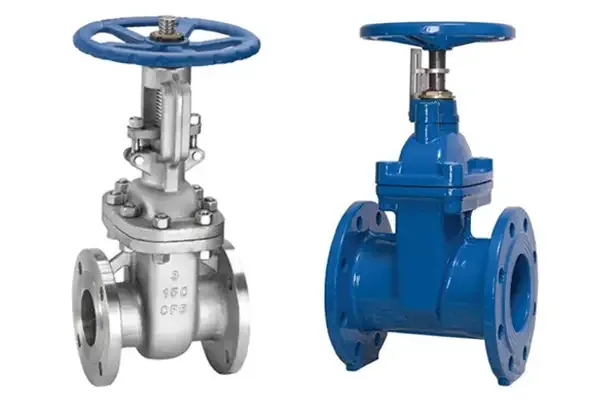
Rising stem (OS&Y)
The stem thread sits outside the valve, above the yoke. Turning the handwheel drives the stem up, carrying the wedge with it. You can see how far open the valve is from across the plant, and the threads stay out of the process fluid where they are easy to lubricate.
Non-rising stem
The threads are inside the body and engage the wedge directly. The stem turns but does not travel, so the overall height stays constant. That suits buried, underground and space-limited installations, although the stem threads are in contact with the line fluid.
Which one should you choose?
| Factor | Rising stem vs non-rising stem |
|---|---|
| Position indication | Visible from stem height vs needs an indicator |
| Headroom | Needs clearance for stem travel vs constant height |
| Thread exposure | Threads outside the fluid vs threads wetted by the media |
| Typical service | Process, steam, hydrocarbons, chemicals vs water mains, buried lines, pits |
Range & specification
| Size range | DN15 to DN600 (NPS ½″ to 24″) |
|---|---|
| Pressure class | ASME Class 150, 300, 600, 900, 1500 & 2500 |
| Design & manufacture | API 600, API 603 |
| Face-to-face | ASME B16.10 |
| Flange drilling | ASME B16.5 |
| Testing | API 598 |
| Bore | Full bore (standard) |
| Stem design | Rising stem (OS&Y) or non-rising stem (inside screw) |
| Operation | Handwheel, gearbox, electric actuator, bare shaft |
| Body materials |
|
Applications
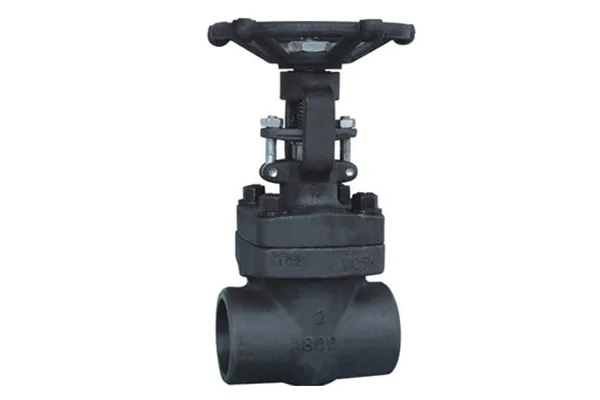
Rising stem gate valves are the norm in refineries, petrochemical units, chemical plants and steam systems where operators need to confirm valve position quickly. Non-rising stem gate valves are widely used in water works, sewage and effluent lines, cooling water and fire lines laid in trenches. Both variants are available as flanged end gate valves; small-bore rising stem valves are supplied in the forged gate valve range.